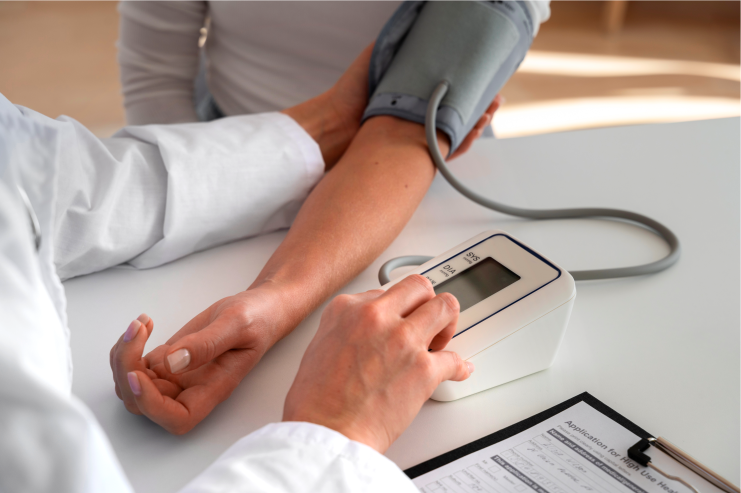
Ambulatory Blood Pressure Monitoring – GPs
Featured

Ambulatory Blood Pressure Monitoring – GPs

Introduction to Ambulatory Blood Pressure Monitoring (ABPM)

What is Hypertension?

Diagnosing Hypertension

How to Fit the Monitoring Equipment

Treatment for Hypertension

Lessons

  1. Brief Description

    By the end of this section, you should understand: What ambulatory blood pressure monitoring (ABPM) is When ABPM should be used What happens during the 24-hour monitoring period What the individual must avoid while being monitored
  2. Module 1 : Introduction

    After completing this section, you should be able to explain: What Ambulatory Blood Pressure Monitoring (ABPM) is When ABPM is recommended What occurs during the 24-hour monitoring period What activities should be avoided while wearing the device
  3. Module 2 : What is Hypertension?

  4. Module 3: Diagnosing Hypertension

    By the end of this section, you should understand: How a blood pressure reading is interpreted Blood pressure categories The NICE guideline (NG136) for diagnosing and managing hypertension in adults Key priorities for implementing NICE recommendations
  5. Module 4: Fitting Monitoring Equipment

    By the end of this section, learners should understand: How to fit ABPM equipment correctly Essential knowledge needed by health/social care professionals Instructions to give to the patient during monitoring How to start readings How to manage error messages
  6. Module 5 : Treatment for hypertension

    By the end of this section, learners should understand: Evidence-based ways to treat hypertension Major classes of antihypertensive drugs NICE guidelines for: Treatment initiation Monitoring Blood pressure targets