
- Introduction
- Legionnaires’ Disease
- Legionella – Responsibilities
- Risk Assessment
- Monitoring
Featured
Legionnaires’ Disease – GPs
Lessons
brief description
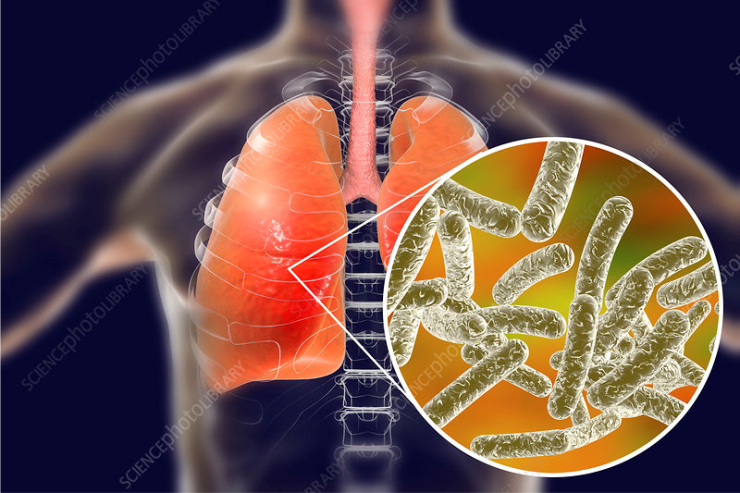
By the end of this section, you should be able to understand: What Legionella bacteria are. The common environments where Legionella bacteria can be found. The reasons why specific guidelines were developed to reduce the risk of Legionella infections. Module 1 : Introduction
By the end of this section, you should be able to understand: What Legionella is. Where Legionella bacteria are commonly found. Why specific guidelines were developed to minimize the risk of Legionella infection. Module 2 : Legionnaires’ Disease
By the end of this section, you should be able to understand: Where the Legionnaires’ Disease bacteria was first identified. The symptoms and incubation period of the disease. The causes and modes of transmission. The conditions required for Legionella bacteria to grow and multiply. Who is at risk, how the disease is treated, and the possible complications. Module 3 : Legionella responsibility
By the end of this section, you should be able to understand: The requirements of the Control of Substances Hazardous to Health (COSHH) Regulations 2002 regarding biological hazards. What the Care Quality Commission (CQC) expects in relation to managing biological hazards. What organizations must do to comply with CQC guidelines. The types of premises where there is a foreseeable risk of Legionella exposure. Module 4 : Risk Assessment
By the end of this section, you should understand: The first step in the Legionella risk management process. The responsibilities of the Duty holder. The key elements of a Legionella risk assessment for all buildings with a water supply. Module 5 : Monitoring
Upon completion of this section, you should understand: The key risk areas in Legionella Control Management. Common issues associated with cold water storage tanks, clarifiers, and showers. Recommended cleaning frequency for cold water storage tanks. The requirements and maintenance of Thermostatic Mixing Valves (TMVs).